


Publications from the following projects:
Single-cell analysis of aging in lymphoid compartments
Systems Level Dissection of Immune Aging
Longitudinal Multi-Omic Study of Aging Determinants
Multi-modal Single Cell Profiling of COVID – 19 PBMC Samples
A model for health risks prediction based on inherited DNA variation and clinical data
Results from the project Single-cell analysis of aging in lymphoid compartments appeared in:
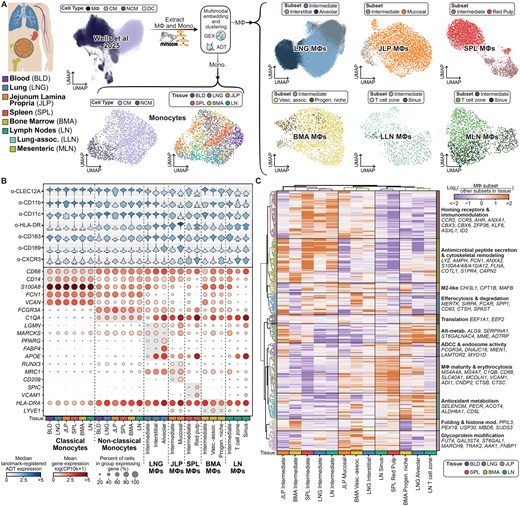
Aging is an essential aspect of human life, and studying its mechanisms is crucial for extending lifespan and improving quality of life. The immune system plays a central role in the onset of age-related diseases. Understanding the differences between healthy and dysfunctional aging provides key insights into the fundamental immune alternations that occur prior to the point where the system Human macrophages (MΦs) reside in tissues and develop tissue-specific identities. While studies in mice have identified molecular signatures for site-specific MΦ differentiation, less is known about the transcriptional profiles of human MΦs in distinct sites, including mucosal tissues and lymphoid organs during homeostasis and activation. Here, we use multimodal single-cell sequencing and ex vivo stimulation assays to define tissue signatures for populations of human MΦs isolated from lungs, small intestine, spleen, bone marrow, and lymph nodes obtained from individual organ donors. Our results reveal distinct tissue-adapted gene and protein profiles of metabolic, adhesion, and immune interaction pathways, which are specific to MΦs and not monocytes isolated from the same sites and exhibit homology to murine MΦs from the same sites. Tissue-adapted MΦs remained responsive to polarizing cytokine stimuli ex vivo, with upregulation of expected transcripts and secreted proteins, while retaining tissue-specific profiles. Patterns of chromatin accessibility in tissue MΦs identified from single-nucleus assay for transposase-accessible chromatin by sequencing reflected gene expression signatures and indicate that differential utilization of transcription factors may drive stable tissue-adapted profiles. Together, our findings show how human MΦ identity is coupled to their site of residence for mucosal and lymphoid organs and is intrinsically maintained during activation and polarization… READ MORE
The project Systems Level Dissection of Immune Aging resulted in the following publications:
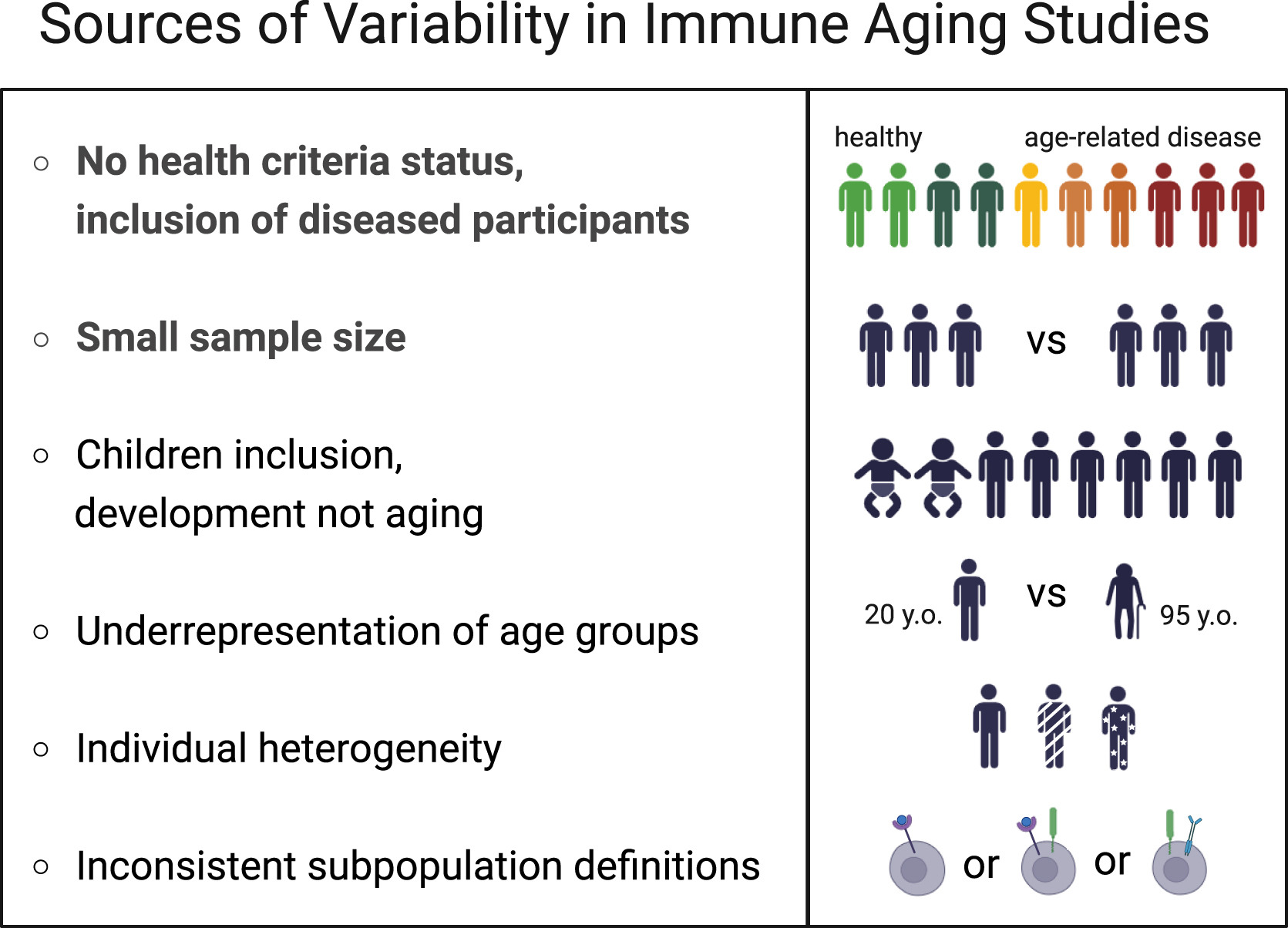
Aging is an essential aspect of human life, and studying its mechanisms is crucial for extending lifespan and improving quality of life. The immune system plays a central role in the onset of age-related diseases. Understanding the differences between healthy and dysfunctional aging provides key insights into the fundamental immune alternations that occur prior to the point where the system begins to fail. In this review, we explore current perspectives on human immune aging. We focus on changes in the composition of, and consequential functional effects within, the major immune compartments in both circulation and tissues. We discuss earlier findings obtained through flow cytometry, alongside more recent studies utilizing single-cell and advanced cytometry techniques. We highlight here how these methods complement each other and explore potential sources of discrepancies. Finally, we address the challenges that persist in the field of human immune aging… READ MORE
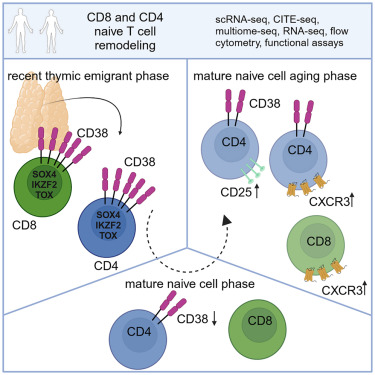
Thymic involution is a key factor in human immune aging, leading to reduced thymic output and a decline in recent thymic emigrant (RTE) naive T cells in circulation. Currently, the precise definition of human RTEs and their corresponding cell surface markers lacks clarity. Analysis of single-cell RNA-seq/ATAC-seq data distinguished RTEs by the expression of SOX4, IKZF2, and TOX and CD38 protein, whereby surface CD38hi expression universally identified CD8+ and CD4+ RTEs. We further determined the dynamics of RTEs and mature cells in a cohort of 158 individuals, including age-associated transcriptional reprogramming and shifts in cytokine production. Spectral cytometry profiling revealed two axes of aging common to naive CD8+ and CD4+ T cells: (1) a decrease in CD38++ cells (RTEs) and (2) an increase in CXCR3hi cells. Identification of RTEs enables direct assessment of thymic health. Furthermore, resolving the dynamics of naive T cell remodeling yields insight into vaccination and infection responsiveness throughout aging… READ MORE
The project Longitudinal Multi-Omic Study of Aging Determinants contributed to the following publications:
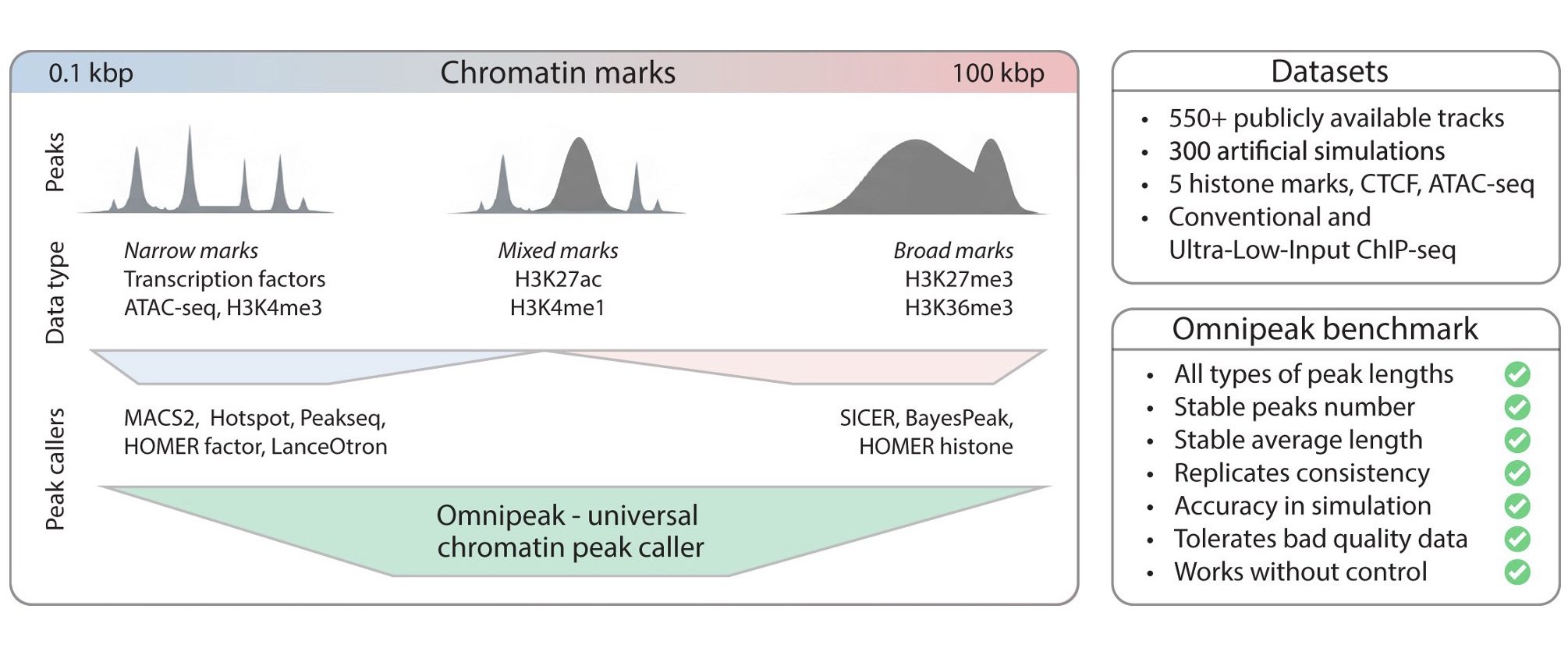
Chromatin immunoprecipitation sequencing (ChIP-seq) is a widely used technique for identifying transcription-factor binding and histone modifications across the genome. Peaks in ChIP-seq data vary in length depending on the biological context, from narrow transcription factor binding sites to broad histone modification domains. However, commonly used peak-calling tools are tailored to the specific types of data and struggle to consistently handle various peak lengths, datasets of varying quality, and missing control tracks—common issues in comparative or meta-analyses. These limitations are addressed with Omnipeak, a universal unsupervised peak-calling algorithm based on a constrained three-state hidden Markov model. Omnipeak accurately models global genomic read coverage, capturing structure patterns in the data of all length scales and variable quality. We benchmarked Omnipeak versus eight different peak calling methods using over 550 public and 300 synthetic datasets, including conventional, ultra-low-input ChIP-seq, and ATAC-seq. Omnipeak produced consistent peaks across narrow, broad, and variable mark lengths, with the best agreement between replicates and robustness against noise and lack of control tracks. Together with a variety of supported input formats and peak calling capabilities within the genome browser, Omnipeak is well-positioned for processing various ChIP-seq and ATAC-seq datasets… READ MORE

Comprehensive, large-scale single-cell profiling of healthy human blood at different ages is one of the critical pending tasks required to establish a framework for systematic understanding of human aging. Here, using single-cell RNA/TCR/BCR-seq with protein feature barcoding, we profiled 317 samples from 166 healthy individuals aged 25-85 years old. Dataset spanning ~2 million cells describes 55 subpopulations of blood immune cells with 12 subpopulations changing with age, including accumulating GZMK+ CD8 T cells and HLA-DR+ CD4 T cells. We reveal transcriptionally distinct NKG2C+XCL1+ CD8 T cell memory subpopulation that counterintuitively decreases with age in contrast to other T cell memory subsets. Furthermore, we find concerted age-associated increase in type 2/IL4-expressing memory subpopulations across CD4 and CD8 T cell compartments (CCR4+ CD8 Tcm and Th2 CD4 Tmem) suggesting systematic functional shift in immune homeostasis with age. Our work provides novel insights into healthy human aging and annotated resource of unprecedented depth… READ MORE

T cells are a critical component of the immune system, found in abundance in blood, secondary lymphoid organs, and peripheral tissues. As individuals age, T cells are particularly susceptible to changes, making them one of the most affected immune subsets. These changes can have significant implications for age-related dysregulations, including the development of low-grade inflammation – a hallmark of aging known as inflammaging. In this review, we first present age-related changes in the functionality of the T cell compartment, including dysregulation of cytokine and chemokine production and cytotoxicity. Next, we discuss how these changes can contribute to the development and maintenance of inflammaging. Furthermore, we will summarize the mechanisms through which age-related changes in T cells may drive abnormal physiological outcomes… READ MORE

The extension of life span driven by 40% caloric restriction (CR) in rodents causes trade-offs in growth, reproduction, and immune defense that make it difficult to identify therapeutically relevant CR-mimetic targets. We report that about 14% CR for 2 years in healthy humans improved thymopoiesis and was correlated with mobilization of intrathymic ectopic lipid. CR-induced transcriptional reprogramming in adipose tissue implicated pathways regulating mitochondrial bioenergetics, anti-inflammatory responses, and longevity. Expression of the gene Pla2g7 encoding platelet activating factor acetyl hydrolase (PLA2G7) is inhibited in humans undergoing CR. Deletion of Pla2g7 in mice showed decreased thymic lipoatrophy, protection against age-related inflammation, lowered NLRP3 inflammasome activation, and improved metabolic health. Therefore, the reduction of PLA2G7 may mediate the immunometabolic effects of CR and could potentially be harnessed to lower inflammation and extend the health span… READ MORE

Ageing leads to profound alterations in the immune system and increases susceptibility to some chronic, infectious and autoimmune diseases. In recent years, widespread application of single-cell techniques has enabled substantial progress in our understanding of the ageing immune system. These comprehensive approaches have expanded and detailed the current views of ageing and immunity. Here we review a body of recent studies that explored how the immune system ages using unbiased profiling techniques at single-cell resolution. Specifically, we discuss an emergent understanding of age-related alterations in innate and adaptive immune cell populations, antigen receptor repertoires and immune cell-supporting microenvironments of the peripheral tissues. Focusing on the results obtained in mice and humans, we describe the multidimensional data that align with established concepts of immune ageing as well as novel insights emerging from these studies. We further discuss outstanding questions in the field and highlight techniques that will advance our understanding of immune ageing in the future… READ MORE

We examine the cellular and soluble determinants of coronavirus disease 2019 (COVID-19) relative to aging by performing mass cytometry in parallel with clinical blood testing and plasma proteomic profiling of ~4,700 proteins from 71 individuals with pulmonary disease and 148 healthy donors (25–80 years old). Distinct cell populations were associated with age (GZMK+CD8+ T cells and CD25low CD4+ T cells) and with COVID-19 (TBET−EOMES− CD4+ T cells, HLA-DR+CD38+ CD8+ T cells and CD27+CD38+ B cells). A unique population of TBET+EOMES+ CD4+ T cells was associated with individuals with COVID-19 who experienced moderate, rather than severe or lethal, disease. Disease severity correlated with blood creatinine and urea nitrogen levels. Proteomics revealed a major impact of age on the disease-associated plasma signatures and highlighted the divergent contribution of hepatocyte and muscle secretomes to COVID-19 plasma proteins. Aging plasma was enriched in matrisome proteins and heart/aorta smooth muscle cell-specific proteins. These findings reveal age-specific and disease-specific changes associated with COVID-19, and potential soluble mediators of the physiological impact of COVID-19… READ MORE

Systematic understanding of immune aging on a whole-body scale is currently lacking. We characterized age-associated alterations in immune cells across multiple mouse organs using single-cell RNA and antigen receptor sequencing and flow cytometry-based validation. We defined organ-specific and common immune alterations and identified a subpopulation of age-associated granzyme K (GZMK)-expressing CD8+ T (Taa) cells that are distinct from T effector memory (Tem) cells. Taa cells were highly clonal, had specific epigenetic and transcriptional signatures, developed in response to an aged host environment, and expressed markers of exhaustion and tissue homing. Activated Taa cells were the primary source of GZMK, which enhanced inflammatory functions of non-immune cells. In humans, proportions of the circulating GZMK+CD8+ T cell population that shares transcriptional and epigenetic signatures with mouse Taa cells increased during healthy aging. These results identify GZMK+ Taa cells as a potential target to address age-associated dysfunctions of the immune system. READ MORE

The impact of healthy aging on molecular programming of immune cells is poorly understood. Here we report comprehensive characterization of healthy aging in human classical monocytes, with a focus on epigenomic, transcriptomic and proteomic alterations, as well as the corresponding proteomic and metabolomic data for plasma, using healthy cohorts of 20 young and 20 older males (~27 and ~64 years old on average). For each individual, we performed enhanced reduced representation bisulfite sequencing-based DNA methylation profiling, which allowed us to identify a set of age-associated differentially methylated regions (DMRs)—a novel, cell-type-specific signature of aging in the DNA methylome. Hypermethylation events were associated with H3K27me3 in the CpG islands near promoters of lowly expressed genes, while hypomethylated DMRs were enriched in H3K4me1-marked regions and associated with age-related increase of expression of the corresponding genes, providing a link between DNA methylation and age-associated transcriptional changes in primary human cells… READ MORE
Findings from the project Multi-modal Single Cell Profiling of COVID – 19 PBMC Samples: Integration of Molecular Profiles with Clinical Parameters and Disease Progression are published as:

Analysis of human blood immune cells provides insights into the coordinated response to viral infections such as severe acute respiratory syndrome coronavirus 2, which causes coronavirus disease 2019 (COVID-19). We performed single-cell transcriptome, surface proteome and T and B lymphocyte antigen receptor analyses of over 780,000 peripheral blood mononuclear cells from a cross-sectional cohort of 130 patients with varying severities of COVID-19. We identified expansion of nonclassical monocytes expressing complement transcripts (CD16+C1QA/B/C+) that sequester platelets and were predicted to replenish the alveolar macrophage pool in COVID-19. Early, uncommitted CD34+ hematopoietic stem/progenitor cells were primed toward megakaryopoiesis, accompanied by expanded megakaryocyte-committed progenitors and increased platelet activation. Clonally expanded CD8+ T cells and an increased ratio of CD8+ effector T cells to effector memory T cells characterized severe disease, while circulating follicular helper T cells accompanied mild disease. We observed a relative loss of IgA2 in symptomatic disease despite an overall expansion of plasmablasts and plasma cells. Our study highlights the coordinated immune response that contributes to COVID-19 pathogenesis and reveals discrete cellular components that can be targeted for therapy… READ MORE
Research from the project A model for health risks prediction based on inherited DNA variation and clinical data is reported in the following publications:
Polygenic scores (PGSs) quantify individual genetic susceptibility to complex diseases and can identify high-risk individuals well before clinical onset. Their clinical translation, however, requires population-based reference resources, standardized benchmarking, and accessible tools for translating individual scores into disease likelihood. In this article, we systematically evaluate 3168 PGS models, primarily from the PGS Catalog, in 473,681 FinnGen participants, placing all models on a common performance scale to enable cross-model and cross-trait comparison. For each PGS, we create ancestry-adjusted reference distributions, providing a biobank-scale resource for interpreting individual scores. We perform phenome-wide association studies for each PGS, identifying 439,070 significant phenotypic associations, demonstratin g that integrating multiple scores improves predictive performance for most complex diseases, and providing public access to 11 top-performing interactive time-to-event models. All resources are accessible through the PGS Browser (pgs.nchigm.org), which offers a population-aware framework for score interpretation and lays groundwork for the clinical application of PGSs… READ MORE
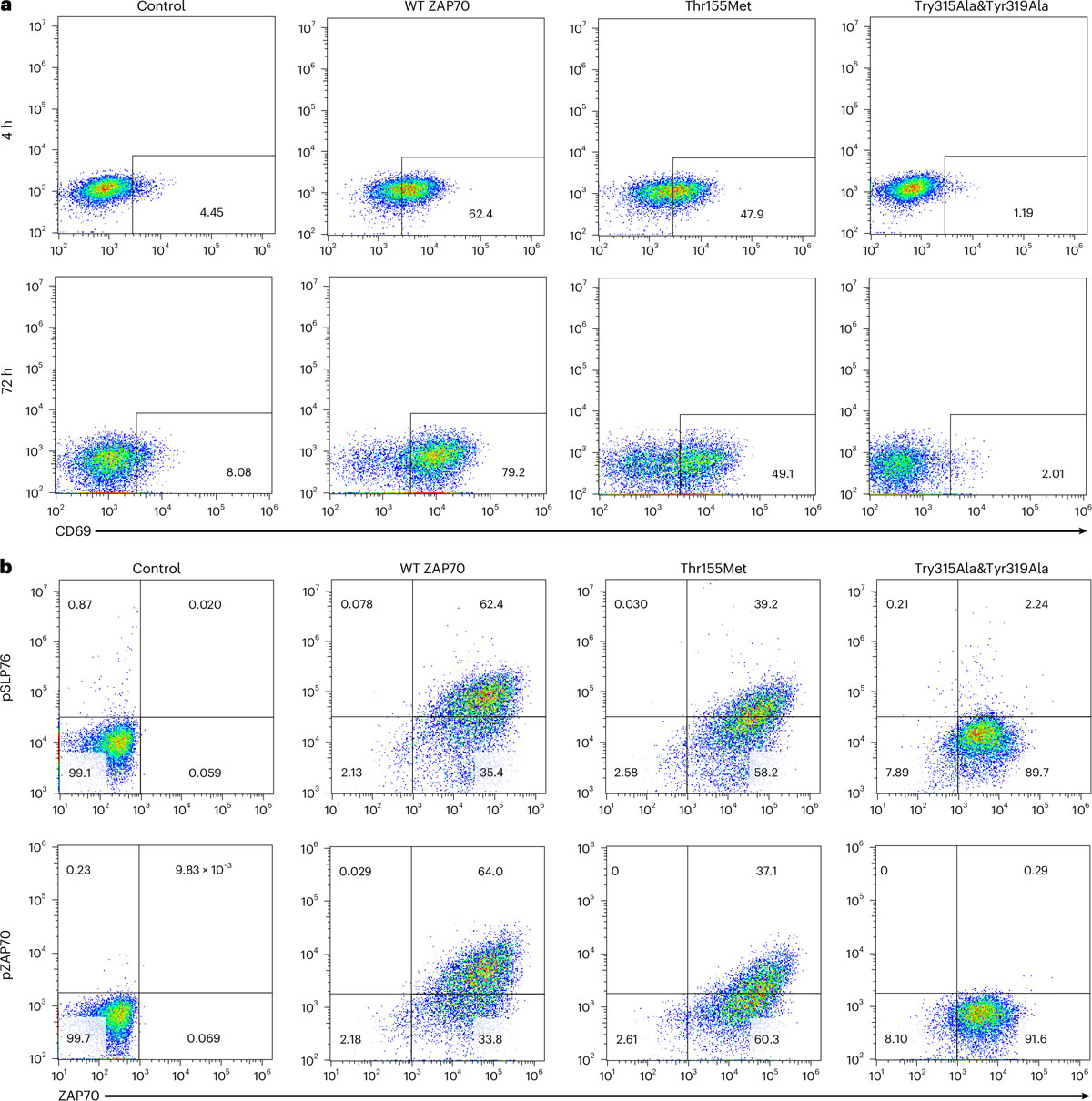
The high prevalence (>5%) of autoimmune hypothyroidism (AIHT) provides a unique opportunity to dissect genetic contributions to systemic and organ-specific autoimmunity. Here we performed a genome-wide association meta-analysis of 81,718 AIHT cases in FinnGen and the UK Biobank, identifying 418 independent signals (P < 5 × 10⁻⁸). At 48 of these loci, a protein-coding variant is, or is highly correlated (r2 > 0.95) with, the lead variant, including Finnish-enriched coding variants in LAG3, ZAP70 and TG. We demonstrated that ZAP70:T155M reduces T cell activation and broadly compare large-scale scans of nonthyroid autoimmunity and thyroid-stimulating hormone levels with a Bayesian classifier to assign loci into distinct groupings, estimating that 38% are involved in general autoimmunity whereas 20% are thyroid specific. We further identified substantial antagonistic pleiotropy, with 10% of AIHT loci showing a consistent protective effect against skin cancer. The AIHT results, including numerous genes encoding checkpoint proteins, support the causal role of natural immune variation influencing cancer outcomes… READ MORE
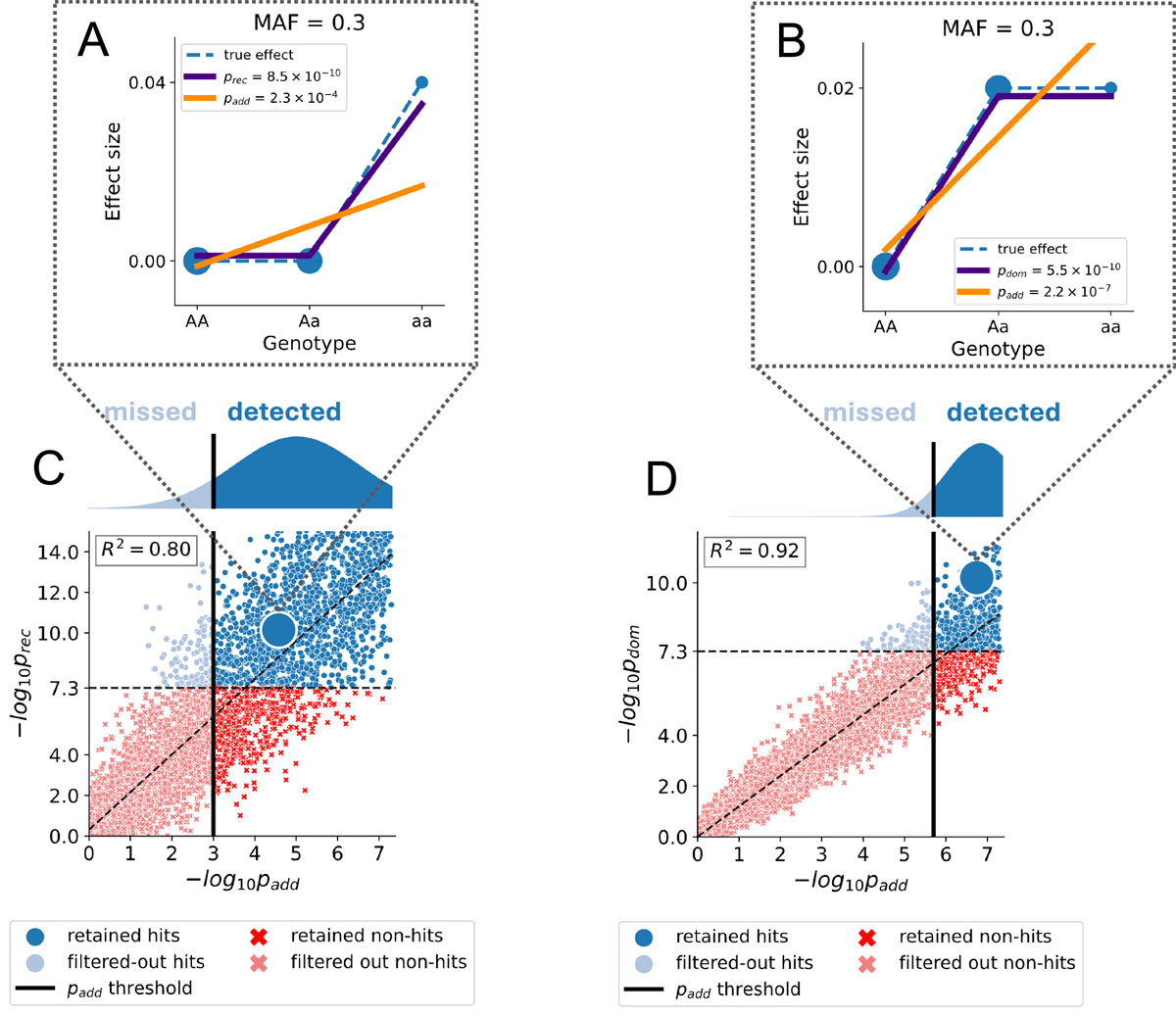
Drug candidates supported by genetic evidence are more likely to succeed in clinical trials, with genome-wide association studies (GWAS) providing a key source of such evidence. Standard GWAS approaches assume additive effects of alleles on the phenotype, but non-additive models have also successfully identified novel associations across various traits. Despite their potential, the large-scale application of non-additive GWAS across thousands of phenotypes in biobanks has been limited by high computational costs. To address this challenge, we present a method that leverages the correlation between additive and non-additive p-values to prioritize variants likely to reach genome-wide significance in non-additive analyses. Applied to the FinnGen dataset comprising 500,349 individuals and 2329 phenotypes, this method reduces computational costs by three orders of magnitude while retaining nearly all true non-additive associations, identifying 781 novel loci missed by additive GWAS. We report fine-mapping and colocalization with 571 datasets for novel loci, uncovering likely causal variants and potential insights into biological mechanisms…. READ MORE
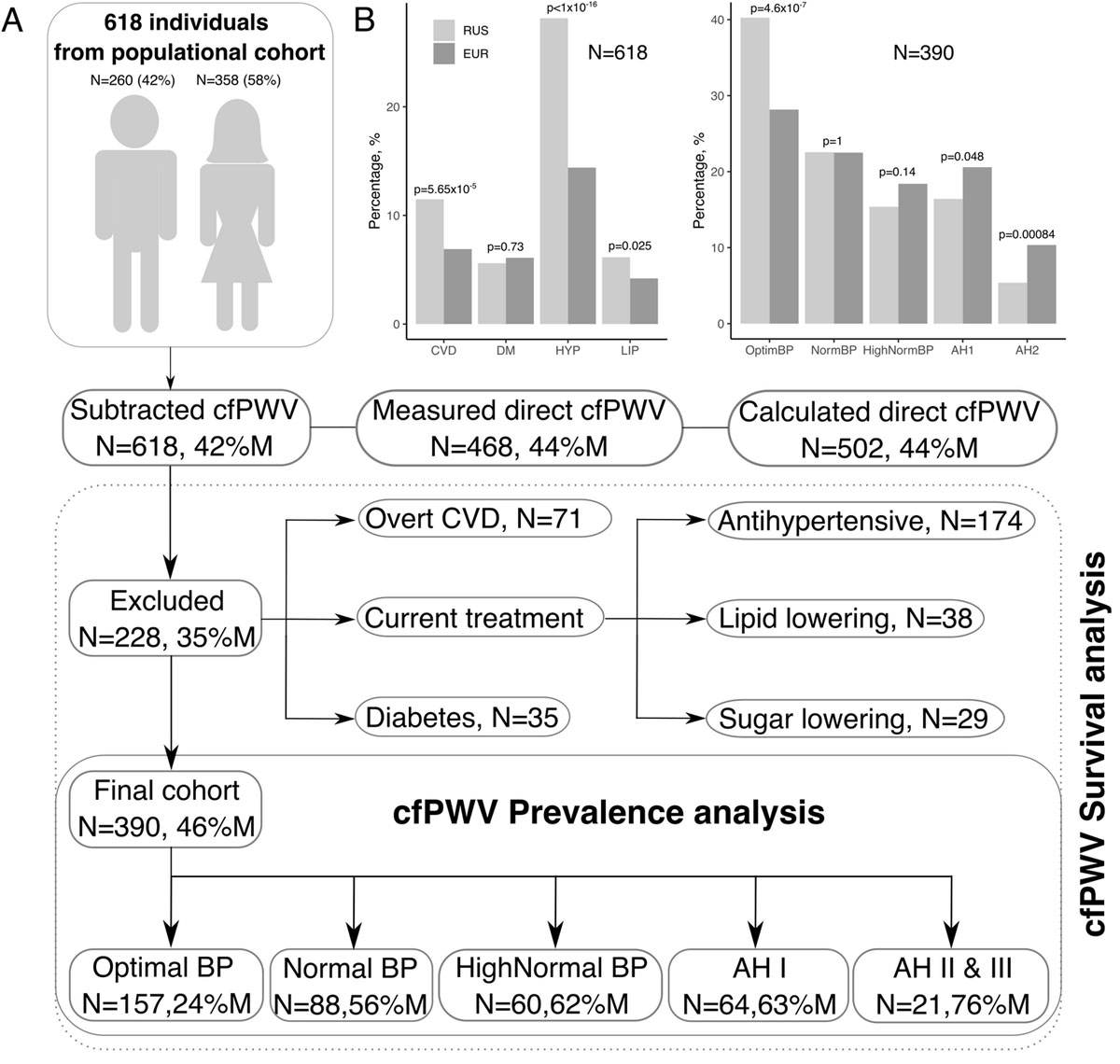
Changes in the vascular system associated with aging contribute to conditions such as hypertension and atherosclerosis. In this study, we explored the prevalence and survival effects of vascular aging phenotypes in a Russian population, a group with a very high cardiovascular risk according to the SCORE2 scale. A cohort of 618 participants from three metro areas underwent carotid-femoral pulse wave velocity (cfPWV) assessment between 2012 and 2018, with biannual follow-ups to record cardiovascular events and mortality. We compared our data with findings from previously published European cohorts to evaluate methods for classifying vascular aging phenotypes. Our findings indicate that definitions designed for low- and medium-risk populations are of limited use in high-risk groups. Moreover, the association between elevated cfPWV and increased overall mortality suggests a potential selection pressure on vascular aging phenotypes. These insights advance the development of predictive biomarkers for cardiovascular risk in populations with high rates of cardiovascular disease… READ MORE
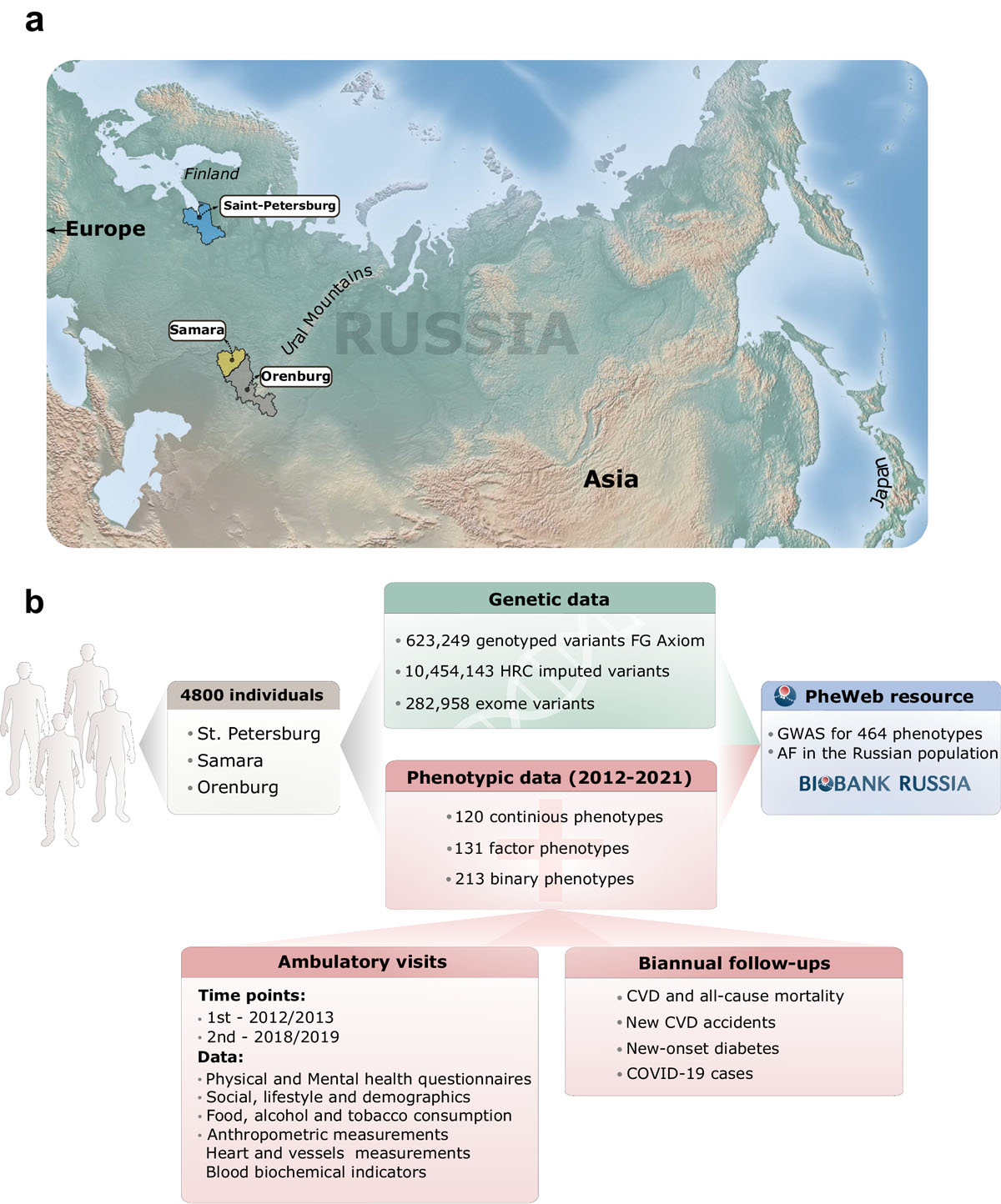
The population of Russia consists of more than 150 local ethnicities. The ethnic diversity and geographic origins, which extend from eastern Europe to Asia, make the population uniquely positioned to investigate the shared properties of inherited disease risks between European and Asian ancestries. We present the analysis of genetic and phenotypic data from a cohort of 4,145 individuals collected in three metro areas in western Russia. We show the presence of multiple admixed genetic ancestry clusters spanning from primarily European to Asian and high identity-by-descent sharing with the Finnish population. As a result, there was notable enrichment of Finnish-specific variants in Russia. We illustrate the utility of Russian-descent cohorts for discovery of novel population-specific genetic associations, as well as replication of previously identified associations that were thought to be population-specific in other cohorts. Finally, we provide access to a database of allele frequencies and GWAS results for 464 phenotypes… READ MORE
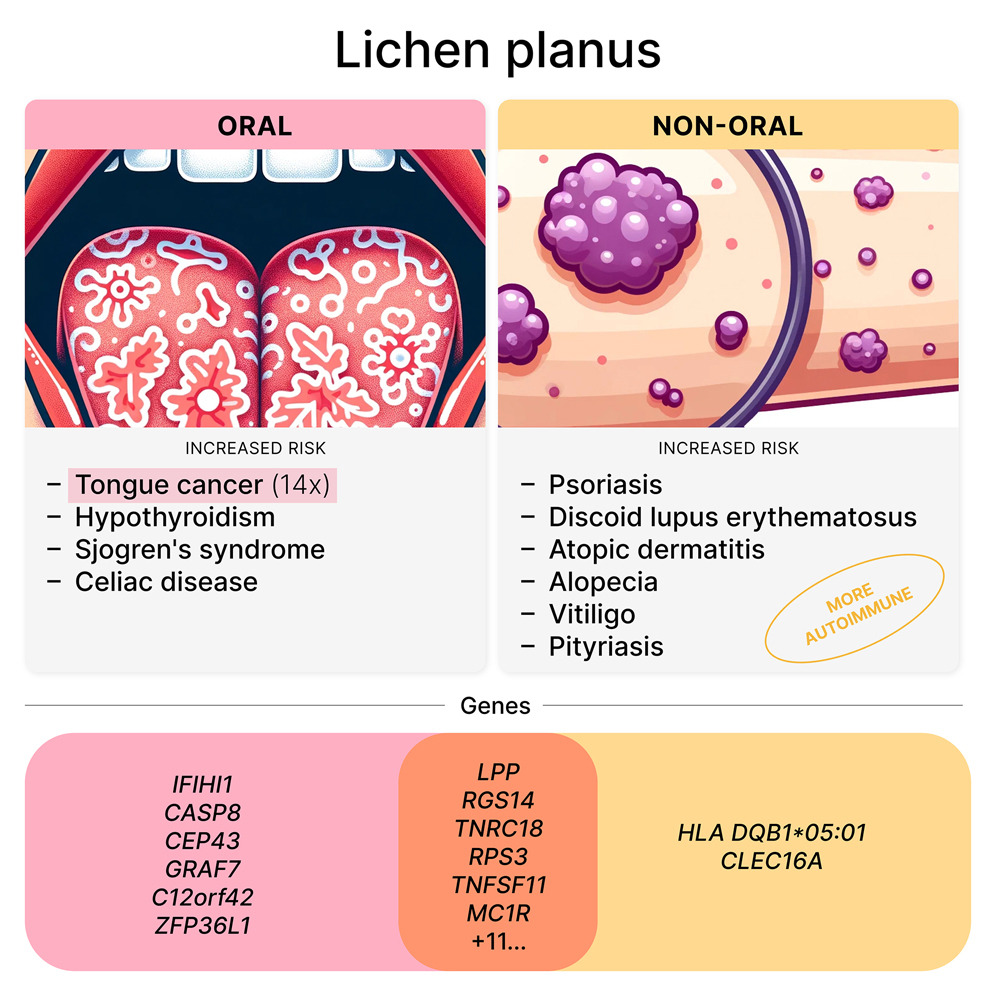
Lichen planus (LP) is a T-cell-mediated inflammatory disease affecting squamous epithelia in many parts of the body, most often the skin and oral mucosa. Cutaneous LP is usually transient and oral LP (OLP) is most often chronic, so we performed a large-scale genetic and epidemiological study of LP to address whether the oral and non-oral subgroups have shared or distinct underlying pathologies and their overlap with autoimmune disease. Using lifelong records covering diagnoses, procedures, and clinic identity from 473,580 individuals in the FinnGen study, genome-wide association analyses were conducted on carefully constructed subcategories of OLP (n = 3,323) and non-oral LP (n = 4,356) and on the combined group. We identified 15 genome-wide significant associations in FinnGen and an additional 12 when meta-analyzed with UKBB (27 independent associations at 25 distinct genomic locations), most of which are shared between oral and non-oral LP. Many associations coincide with known autoimmune disease loci, consistent with the epidemiologic enrichment of LP with hypothyroidism and other autoimmune diseases. Notably, a third of the FinnGen associations demonstrate significant differences between OLP and non-OLP. We also observed a 13.6-fold risk for tongue cancer and an elevated risk for other oral cancers in OLP, in agreement with earlier reports that connect LP with higher cancer incidence. In addition to a large-scale dissection of LP genetics and comorbidities, our study demonstrates the use of comprehensive, multidimensional health registry data to address outstanding clinical questions and reveal underlying biological mechanisms in common but understudied diseases… READ MORE
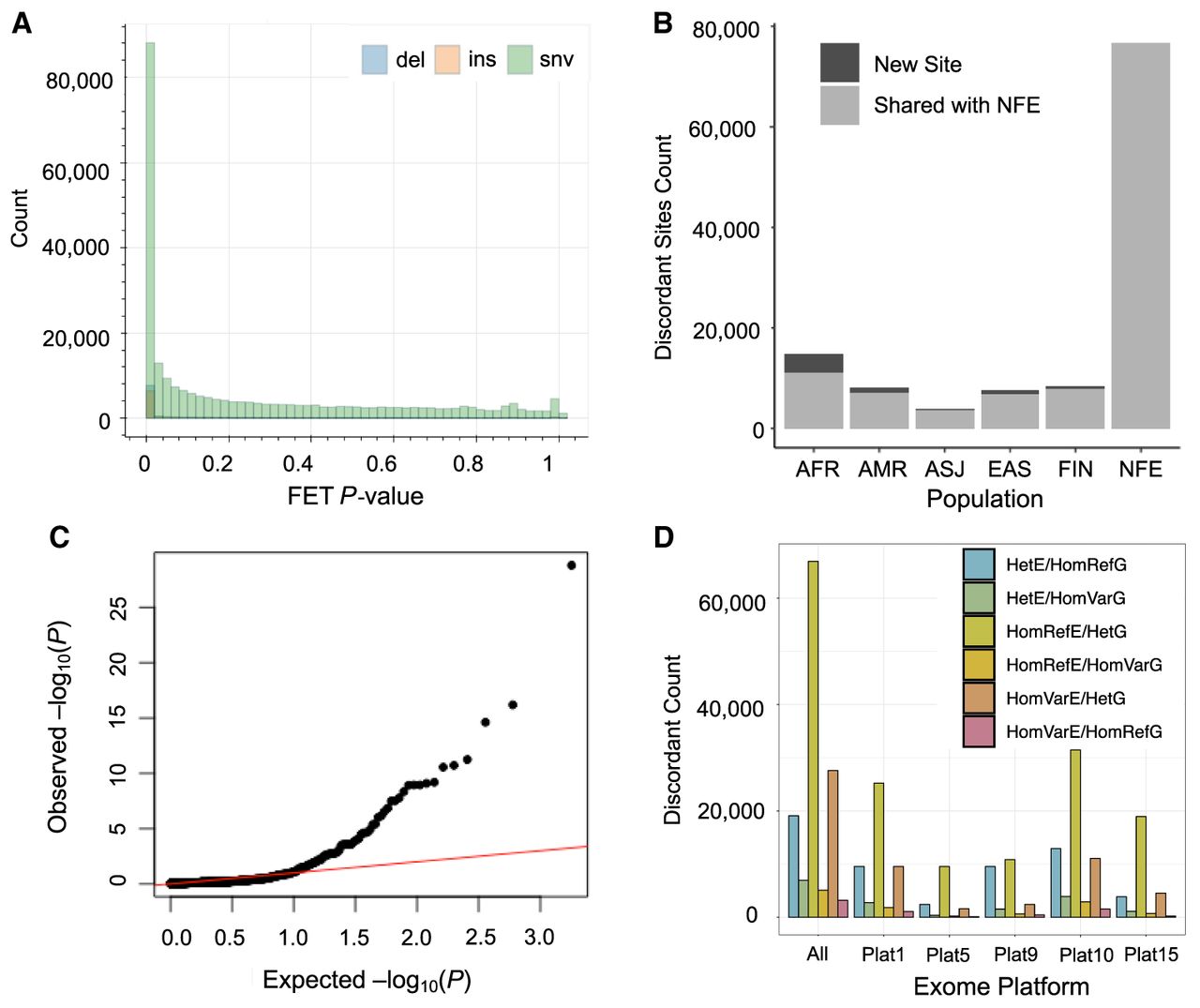
Large-scale high-throughput sequencing data sets have been transformative for informing clinical variant interpretation and for use as reference panels for statistical and population genetic efforts. Although such resources are often treated as ground truth, we find that in widely used reference data sets such as the Genome Aggregation Database (gnomAD), some variants pass gold-standard filters, yet are systematically different in their genotype calls across genotype discovery approaches. The inclusion of such discordant sites in study designs involving multiple genotype discovery strategies could bias results and lead to false-positive hits in association studies owing to technological artifacts rather than a true relationship to the phenotype. Here, we describe this phenomenon of discordant genotype calls across genotype discovery approaches, characterize the error mode of wrong calls, provide a list of discordant sites identified in gnomAD that should be treated with caution in analyses, and present a metric and machine learning classifier trained on gnomAD data to identify likely discordant variants in other data sets.
We find that different genotype discovery approaches have different sets of variants at which this problem occurs, but there are characteristic variant features that can be used to predict discordant behavior. Discordant sites are largely shared across ancestry groups, although different populations are powered for the discovery of different variants. We find that the most common error mode is that of a variant being heterozygous for one approach and homozygous for the other, with heterozygous in the genomes and homozygous reference in the exomes making up the majority of miscalls… READ MORE
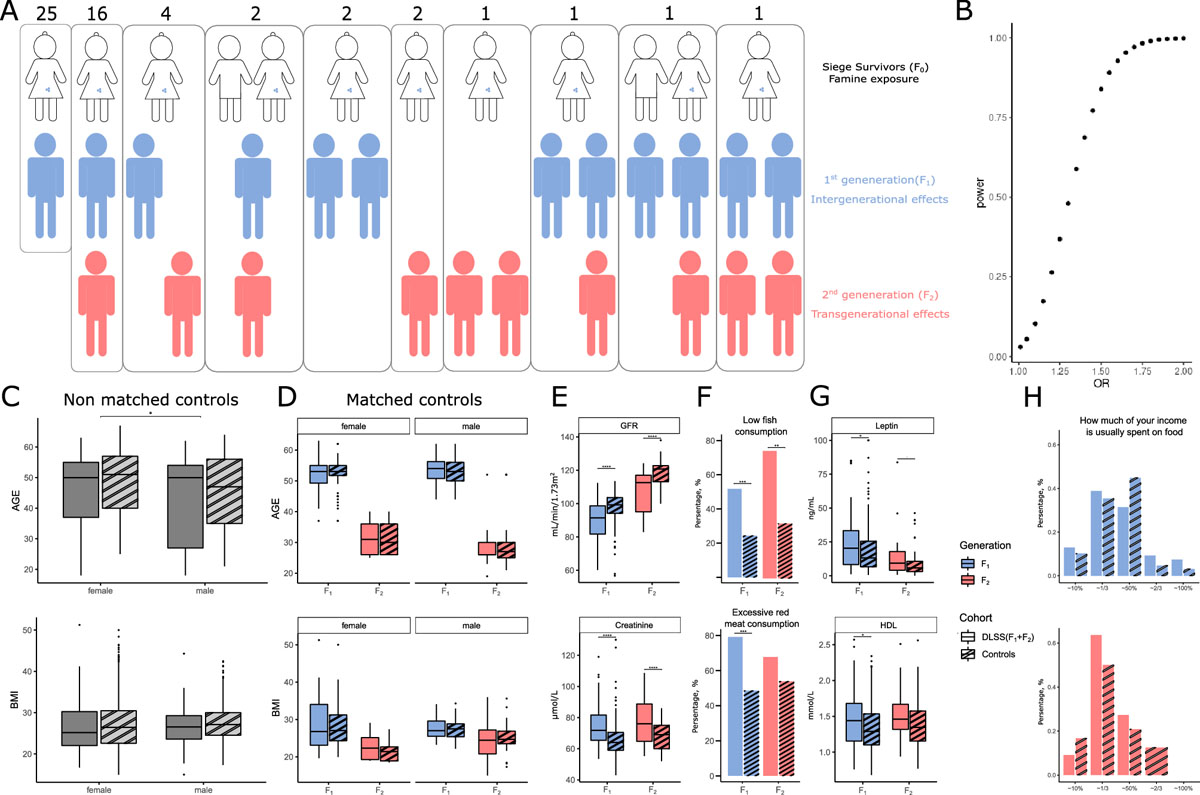
Famine exposure during early life development can affect disease risk in late-life period, yet, transmission of phenotypic features from famine-exposed individuals to the next generations has not been well characterized. The purpose of our case–control study was to investigate the association of parental starvation in the perinatal period and the period of early childhood with the phenotypic features observed in two generations of descendants of Leningrad siege survivors. We examined 54 children and 30 grandchildren of 58 besieged Leningrad residents who suffered from starvation in early childhood and prenatal age during the Second World War. Controls from the population-based national epidemiological ESSE-RF study (n = 175) were matched on sex, age and body mass index (BMI).
Phenotypes of controls and descendants (both generations, children and grandchildren separately) were compared, taking into account multiple testing. Comparison of two generations descendants with corresponding control groups revealed significantly higher creatinine and lower glomerular filtration rate (GFR), both in meta-analysis and in independent analyses. The mean values of GFR for all groups were within the normal range (GFR less than 60 mL/min/1.73 m2 was recorded in 2 controls and no one in DLSS). Additionally, independent of the creatinine level, differences in the eating pattern were detected: insufficient fish and excessive red meat consumption were significantly more frequent in the children of the Leningrad siege survivors compared with controls. Blood pressure, blood lipids and glucose did not differ between the groups. Parental famine exposure in early childhood may contribute to a decrease in kidney filtration capacity and altered eating pattern in the offspring of famine-exposed individuals… READ MORE

Age-related changes in the vascular system play an important role in the biological age and lifespan of a person and maybe affected from an early age onward. One of the indicators of changes in the vascular system is arterial wall stiffness and its main measure, i.e., carotid-femoral pulse wave velocity (cfPWV). We examined arterial wall stiffness in a sample of 305 Leningrad Siege survivors to assess how hunger and stressful conditions during fetal development and early childhood affected the state of the cardiovascular system at a later age and what factors may neutralize the negative impact sustained in early childhood. Here, we presented an evaluation of two unique patients with supernormal vascular aging (SUPERNOVA) phenotype from this cohort and described the details of congruence between hereditary resistance and practiced lifestyle yielding slower biological aging rate… READ MORE
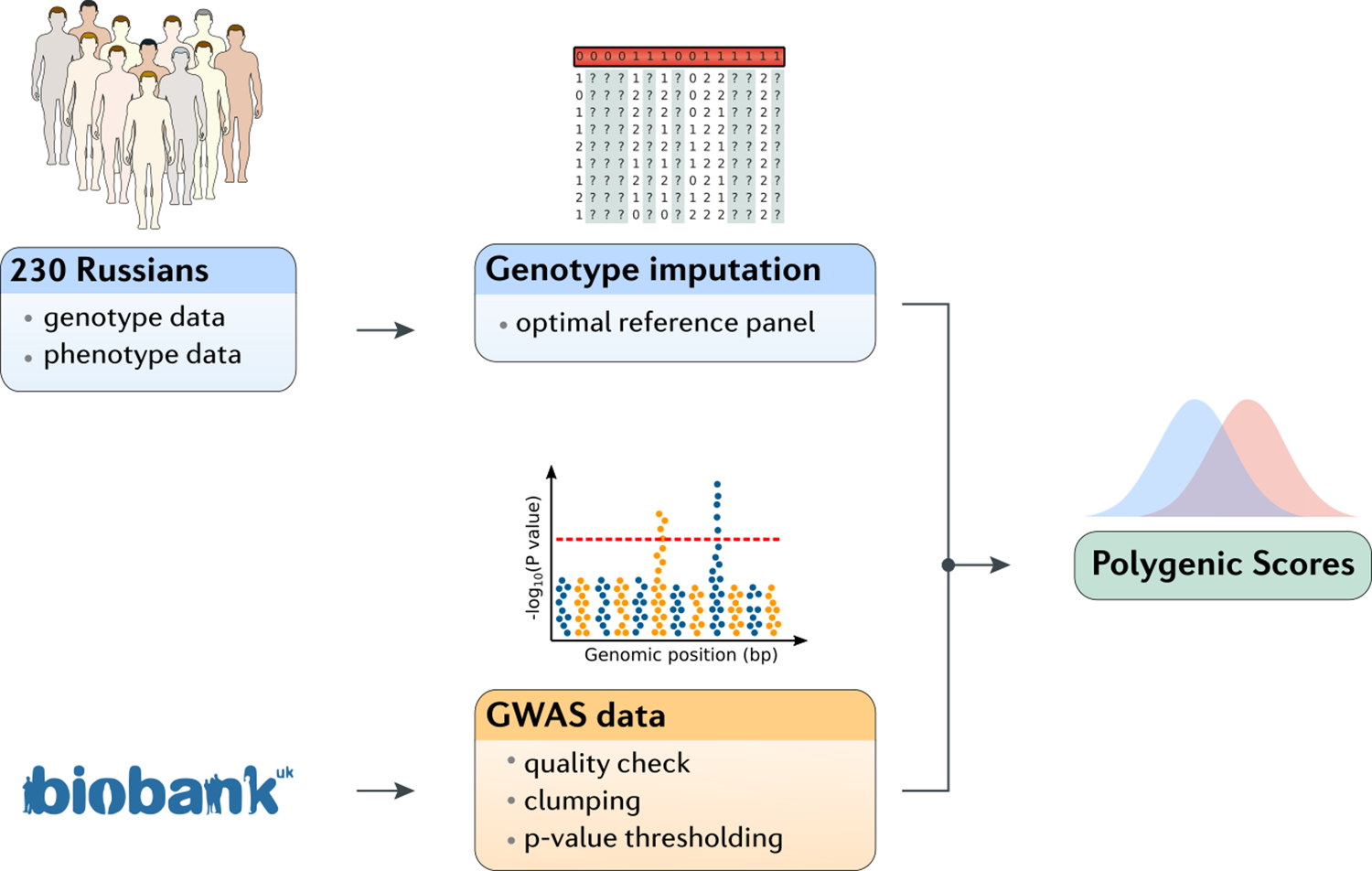
Numerous studies demonstrated the lack of transferability of polygenic score (PGS) models across populations and the problem arising from unequal presentation of ancestries across genetic studies. However, even within European ancestry there are ethnic groups that are rarely presented in genetic studies. For instance, Russians, being one of the largest, diverse, and yet understudied group in Europe. In this study, we evaluated the reliability of genotype imputation for the Russian cohort by testing several commonly used imputation reference panels (e.g. HRC, 1000G, HGDP). HRC, in comparison with two other panels, showed the most accurate results based on both imputation accuracy and allele frequency concordance between masked and imputed genotypes. We built polygenic score models based on GWAS results from the UK biobank, measured the explained phenotypic variance in the Russian cohort attributed to polygenic scores for 11 phenotypes, collected in the clinic for each participant, and finally explored the role of allele frequency discordance between the UK biobank and the study cohort in the resulting PGS performance… READ MORE